Hair Transplant in Istanbul: Health Tourism Support

Hair Transplant
Techniques, Process and Preparation

We explain how Sapphire FUE and DHI techniques work, what the process involves and which questions to ask before deciding, and we support you with consultation and travel planning.

Request a free pre-assessment

Candidate Assessment

Suitability is decided after an assessment by the treating clinician, based on donor capacity, hair loss pattern and expectations.

Sapphire FUE

In this technique, micro-channels are opened with sapphire blades, with a focus on planning the hairline and growth angle.

  • Hairline planning
  • Channel opening with sapphire blades
  • Density distribution planning

DHI Implantation

With DHI, grafts are placed directly using an implanter pen (Choi) without opening channels separately beforehand.

  • Direct placement
  • Often discussed for densification
  • Angle set during placement

Treatment Journey

The three main stages the process generally follows.

  1. Consultation

    The donor area, hair loss pattern and expectations are reviewed with the treating clinician.

  2. Operation

    The procedure is usually carried out under local anaesthetic; the technique is agreed with the clinician.

  3. Recovery

    Washing, aftercare and check-ups follow the treating team's instructions.

From planning to treatment day

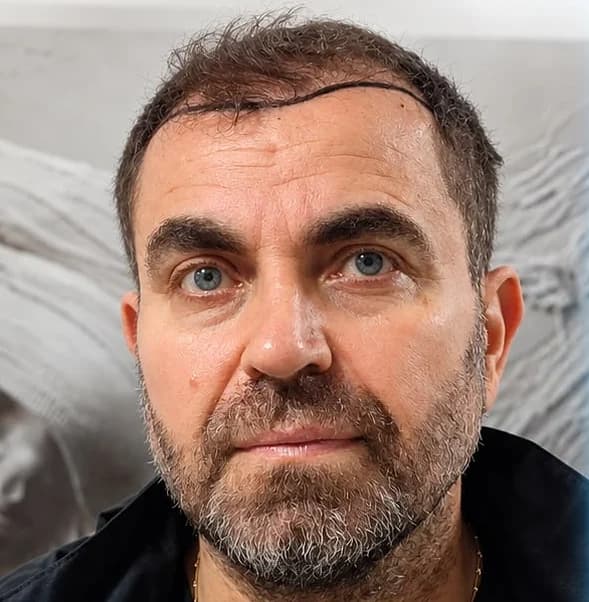
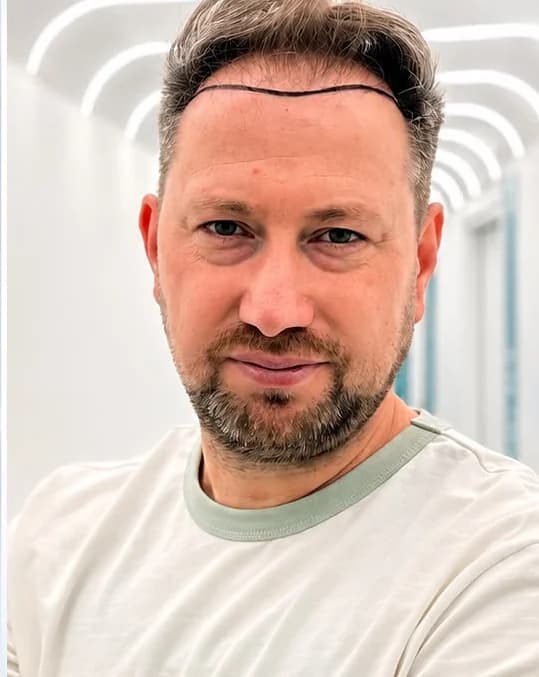
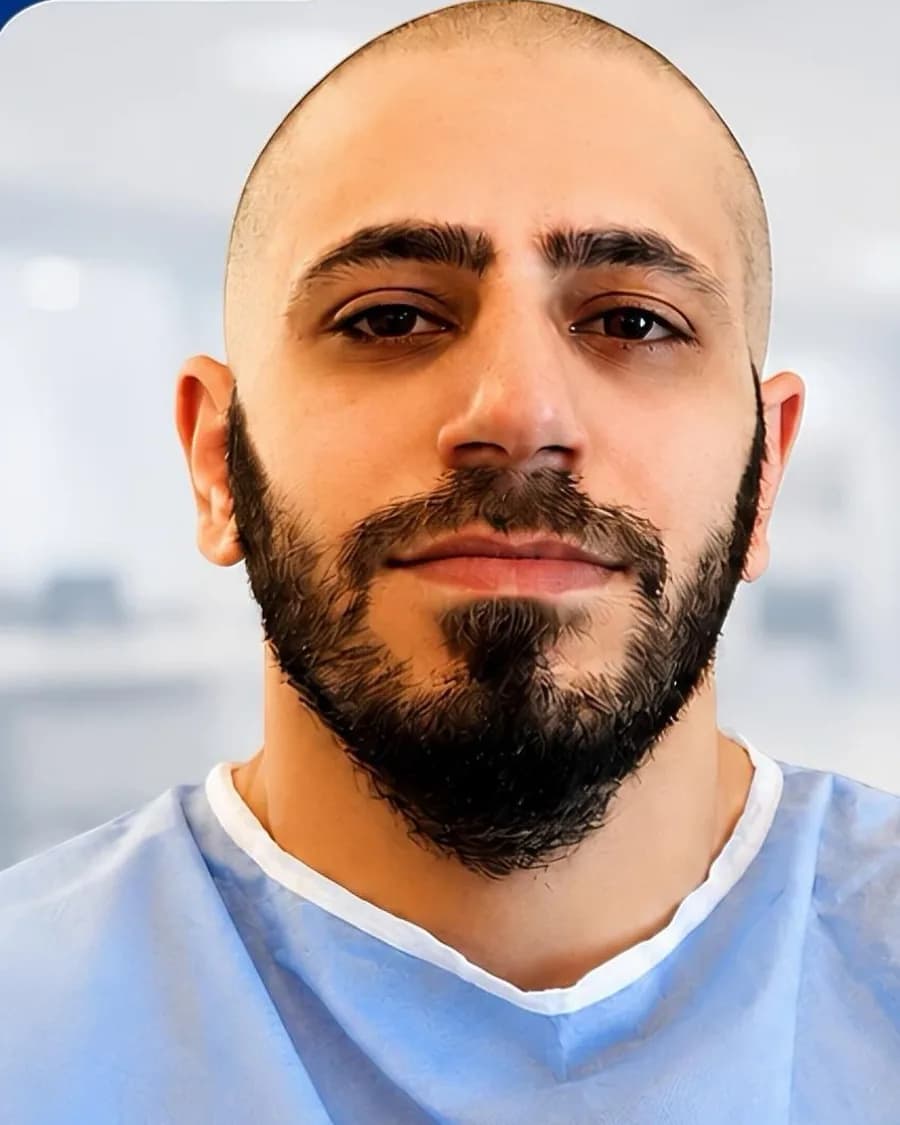
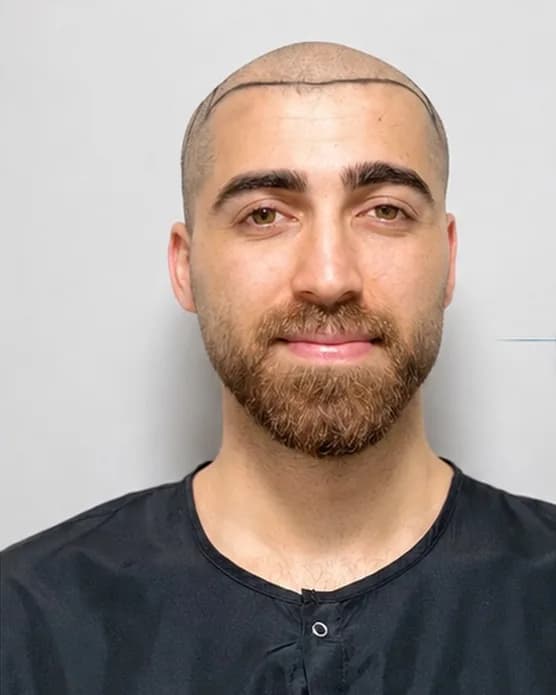
Short videos shared with our patients' consent: the frontal hairline is drawn with the treating doctor according to facial proportions and donor capacity, and agreed with the patient before the procedure.

Request a free pre-assessment
  • Hairline planning
  • Checking the hairline in the mirror
  • Mirror check after planning
  • Moments from treatment day

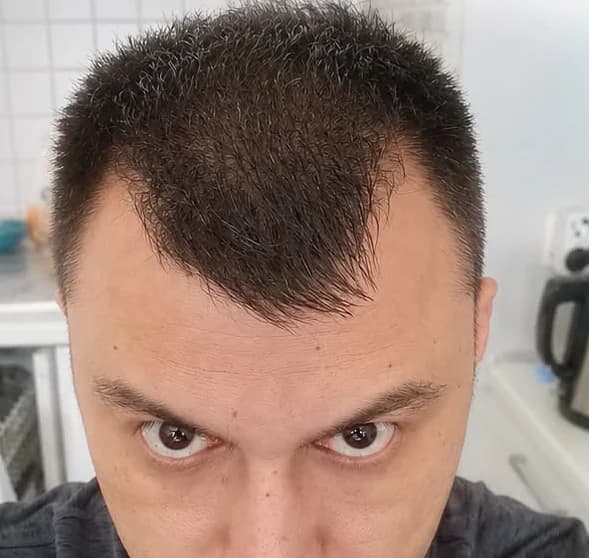
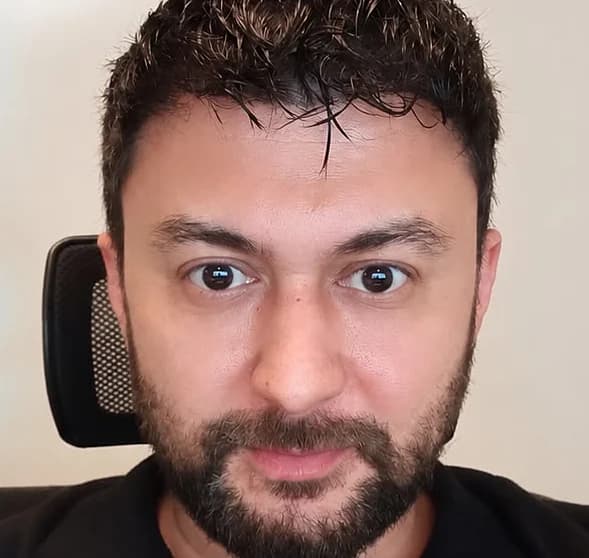
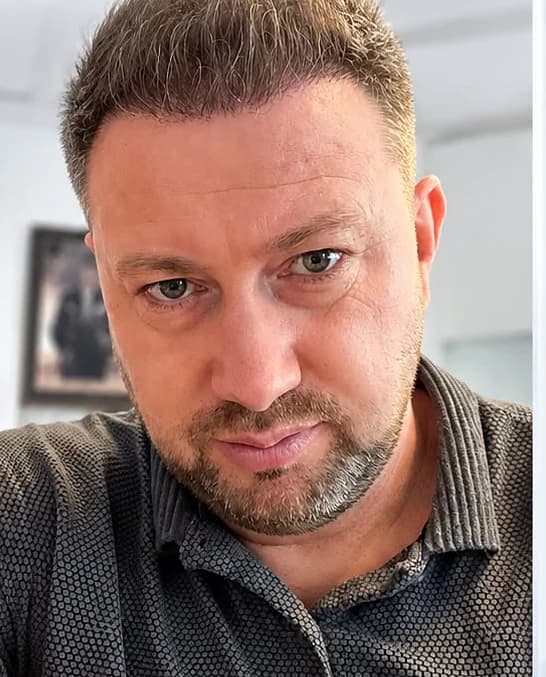
Example Images

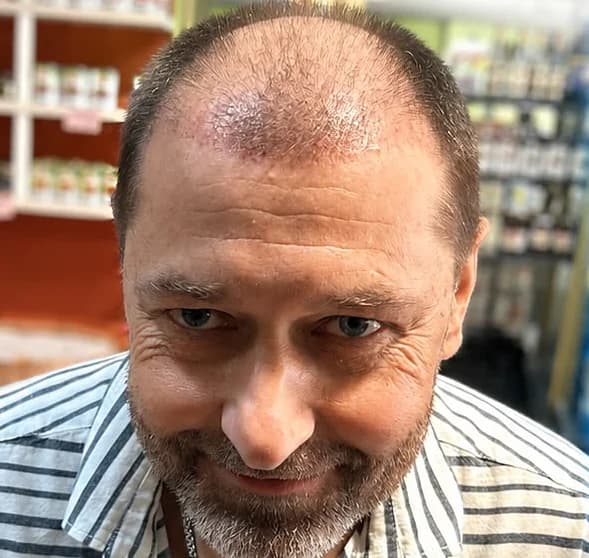
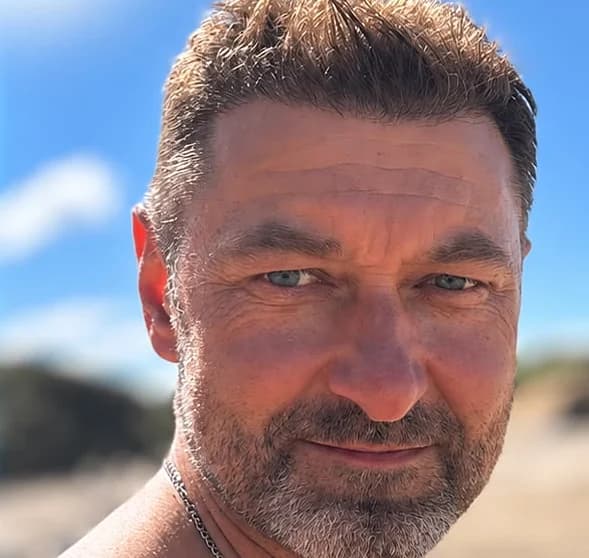
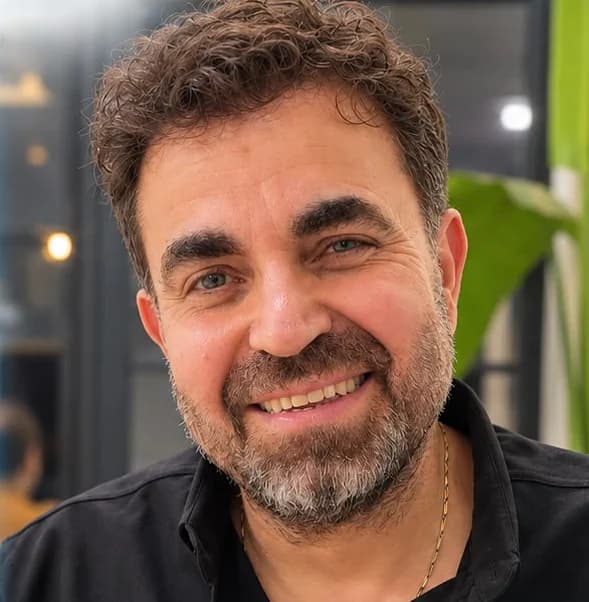
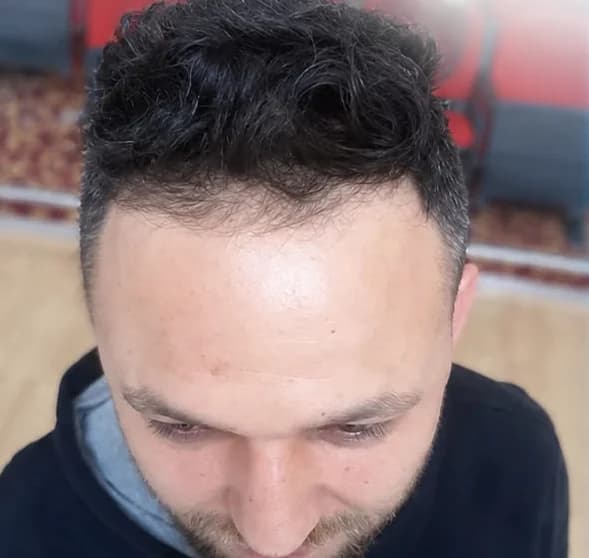
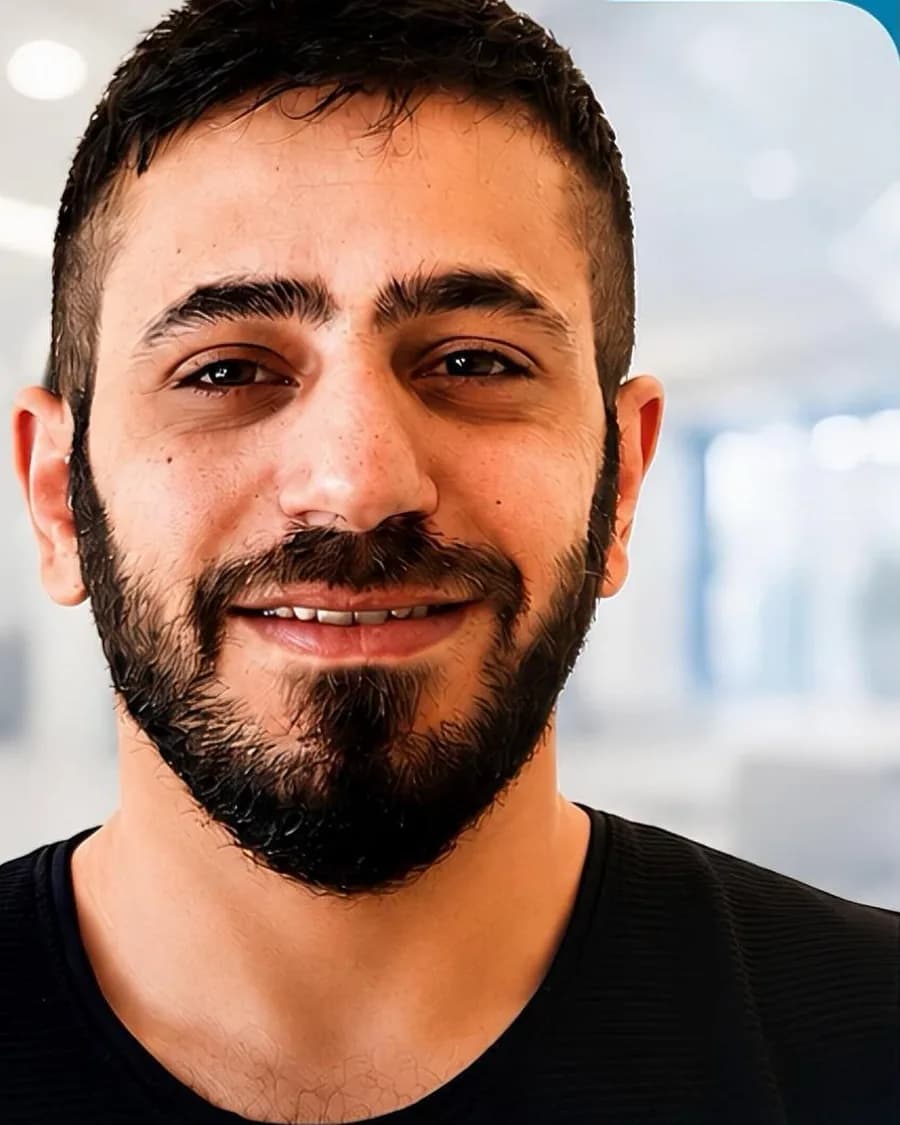
Images are for information only; results vary from person to person.
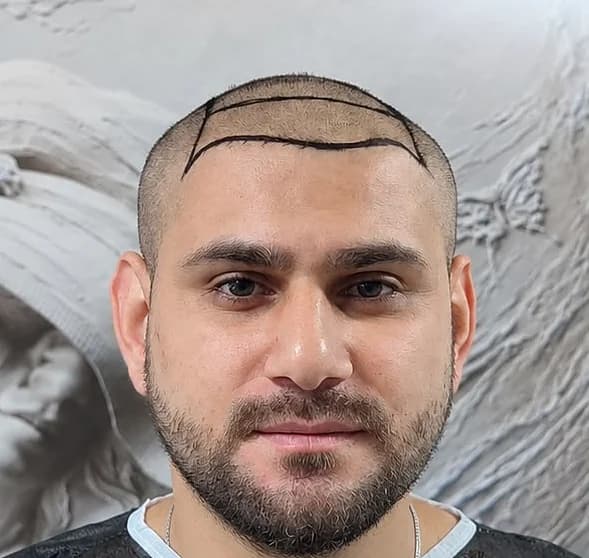
Hair transplant: hairline design – Before
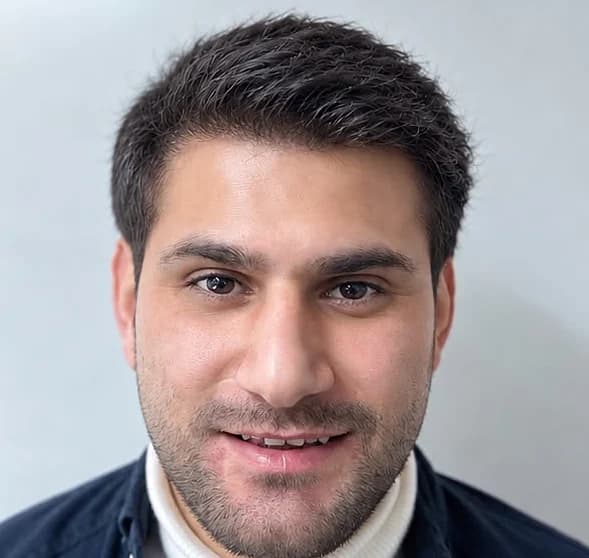
Hair transplant: hairline design – After

Hair transplant: hairline design

Hair transplant: crown and frontal area – Before
Hair transplant: crown and frontal area – After

Hair transplant: crown and frontal area

Hair transplant: hairline and density – Before
Hair transplant: hairline and density – After

Hair transplant: hairline and density

Hair transplant: frontal density – Before
Hair transplant: frontal density – After

Hair transplant: frontal density

Hair transplant: 4-month check – Before
Hair transplant: 4-month check – After

Hair transplant: 4-month check

Hair transplant: temples and crown – Before
Hair transplant: temples and crown – After

Hair transplant: temples and crown

FUE hair transplant: hairline and crown – Before
FUE hair transplant: hairline and crown – After

FUE hair transplant: hairline and crown

FUE hair transplant: 24-month check – Before
FUE hair transplant: 24-month check – After

FUE hair transplant: 24-month check

Frequently Asked Questions

Does the procedure hurt?
A local anaesthetic is used; discuss possible pain and pain management with the treating team beforehand.
When do visible results start?
Early months are transitional; visible growth improves gradually and density matures over time.
Is the donor area preserved?
Controlled, evenly spread extraction aims to protect the donor area; how many grafts can be taken is assessed by the clinician.
How is the graft count determined?
The treating clinician sets the graft count after an assessment, based on the degree of hair loss, donor capacity and target density.
Is shock loss normal?
Yes, temporary shock loss can occur in the early phase and is generally considered a normal response. Discuss anything you notice with the treating team.
When can I get a haircut?
It depends on how healing progresses; agree the timing with the treating clinician.
Why is Turkey one of the most preferred countries for hair transplant?
Istanbul offers international treatment options across different provider models. Before deciding, verify the treatment-site licence, team roles, risks, costs, and aftercare plan.
How long has hair transplantation been performed in Turkey?
Hair transplantation has been performed in Turkey for many years, and the country is now a common destination for patients from abroad. Experience varies between clinics and clinicians, so it should be checked individually before deciding.
Which hair transplant techniques are commonly used in Turkey?
Commonly offered techniques include Sapphire FUE and DHI. Which one suits you is decided by the treating clinician after an assessment; we also recommend asking about the qualifications and roles of everyone involved in the procedure.
Is the new Istanbul Airport close to the city centre?
Istanbul Airport is roughly 35–40 km from the city centre. Journey times vary considerably with traffic; our support team can help you plan your transfer.
Why is hair transplantation more affordable in Turkey?
Prices are shaped by factors such as competition, operating and living costs, and exchange rates. Price alone says nothing about quality; compare offers by what is included, the treatment-site licence, team roles and aftercare.

Comprehensive Guide to Hair Transplant Process

Hair transplant planning starts by weighing donor capacity against realistic aesthetic goals.

Hairline, graft distribution and implantation angle are among the factors that affect appearance; they are discussed with the treating clinician.

The first wash after surgery, aftercare instructions and check-ups are important parts of recovery; results vary from person to person.
Topics: Hair transplant, Sapphire FUE, DHI

Process: Donor assessment, graft planning, aftercare

Before deciding: Clarify suitability, risks, costs and the aftercare plan

Prepared by the MetClinic Global editorial team · Last updated: · Editorial policy
This page is general information and does not replace an examination or personal medical advice.

Pre-assessment Process Information

Share your questions with us

Share your details with our support team and we will explain the next steps and how the clinician's assessment works.

Your details are kept confidential and handled under our privacy policy.

Personal planning
Multilingual support